Trustworthy Auto Repair Services to Get You on the Road
Trustworthy car repair services are key in vehicle upkeep and safety. Reliable shops prioritize transparency, ensuring customers understand pricing and services. Skilled technicians with correct certifications add to the assurance of quality repairs. However, not all repair shops comply with these standards. Understanding what to look for can make a significant difference in both vehicle performance and driver confidence. The next steps involve evaluating these vital qualities to find the right service for your needs.
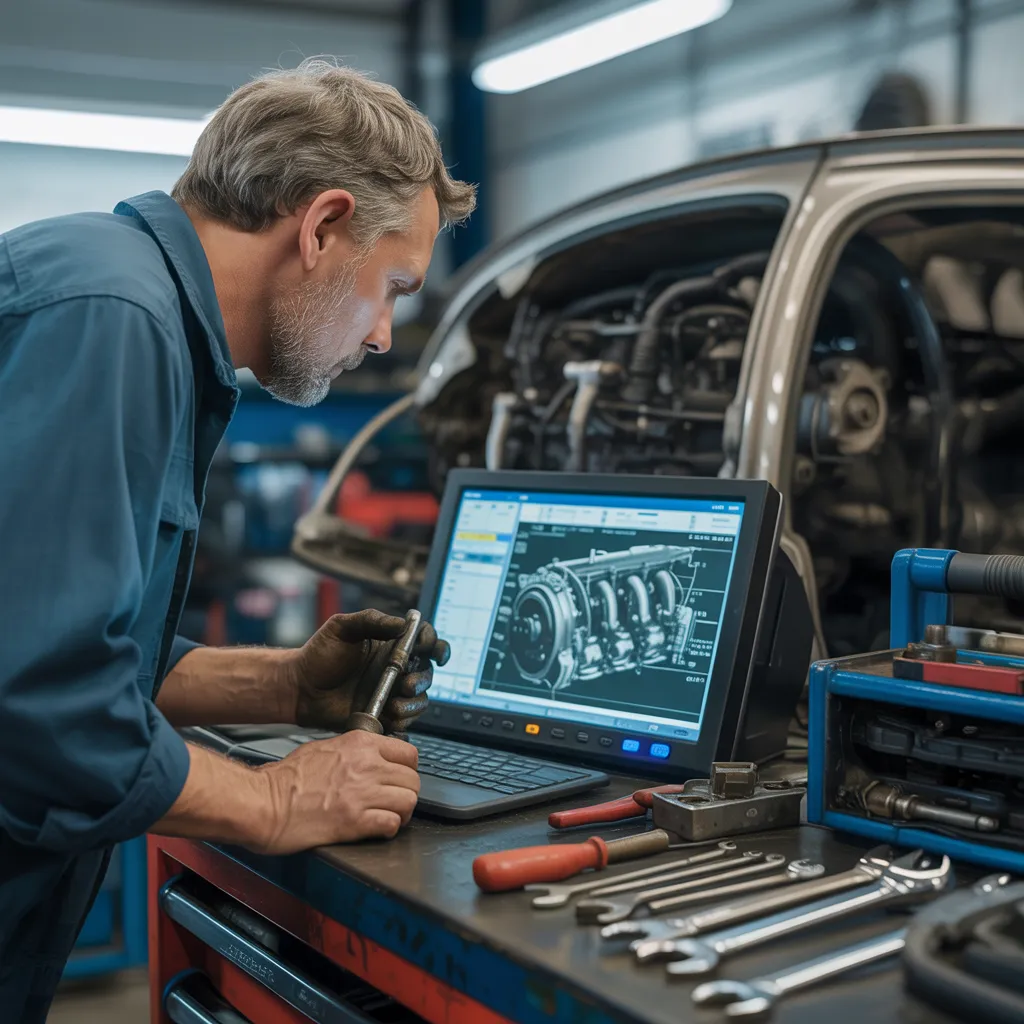
Vital Attributes of a Dependable Auto Maintenance Shop
When searching for a dependable auto repair shop, customers usually prioritize specific qualities that indicate trustworthiness. Above all, honest pricing and service clarity is essential; customers require detailed estimates and direct information about needed fixes. Furthermore, positive reviews and testimonials from previous clients act as indicators of a shop’s reliability and customer service. A clean and organized workshop also reflects expert handling and attention in managing vehicles.
Moreover, capable mechanics who prove expertise in numerous automotive issues are necessary. Customers favor shops that provide guarantees on their work, ensuring confidence that repairs are executed correctly. Finally, a firm commitment to customer service, including welcoming employees who are happy to answer questions, boosts the overall experience. By highlighting these core qualities, customers can select an auto repair shop that matches their requirements while confirming their vehicles obtain reliable care.
Assessing Mechanic Qualifications
When evaluating auto repair services, determining mechanic certifications is essential for ensuring quality work. Certifications demonstrate a mechanic's level of expertise and commitment to the profession. Common certifications, such as ASE and manufacturer-specific credentials, serve as benchmarks for evaluating a mechanic's qualifications.
Why Qualifications Are Important
Certifications serve as an essential benchmark in assessing the abilities and competencies of auto mechanics. They signify that a mechanic has completed rigorous training and has satisfied particular industry standards. This official acknowledgment assures consumers about the mechanic's competence and devotion to quality service. Certifications also indicate that the mechanic keeps pace with evolving automotive technologies and practices, which is essential in an industry characterized by rapid advancements. Additionally, mechanics with certifications often comply with ethical standards and best practices, fostering trust between them and their clients. Ultimately, certifications offer consumers with a dependable way to separate qualified professionals from those missing formal recognition, securing better service and vehicle maintenance.
Frequent Mechanic Certifications
Mechanic qualifications differ widely, providing a framework for evaluating the skill and qualifications of automotive professionals. Popular credentials encompass the National Institute for Automotive Service Excellence (ASE), which is highly regarded in the field. ASE certification demands completing demanding exams and demonstrating practical work. Manufacturers like Ford, Honda, and Toyota also offer focused certifications, emphasizing manufacturer-specific expertise and abilities. Furthermore, the Automotive Service Association (ASA) promotes service standards among its members, ensuring professional conduct in repair work. Certifications not only enhance a mechanic's reputation but also guarantee customers of their technical proficiency. When selecting an vehicle repair shop, verifying these certifications can result in better service and heightened trust in the work performed.
Why Direct Costs Is Essential for Auto Repair Customers
Transparent pricing in auto maintenance builds trust between clients and repair professionals, fostering a more reliable relationship. When repair shops provide clear and upfront estimates, customers can make well-informed decisions without the fear of hidden charges or unexpected costs. This transparency not only improves customer contentment but also promotes loyalty, as clients feel more secure in their choices.
Moreover, open pricing helps establish a standard of liability within the auto repair industry. Customers are more likely to return to a shop that transparently conveys costs and clarifies services, leading to a constructive feedback loop. Additionally, transparency can reduce disputes over billing, as clients have a clear knowledge of what they are paying for.
In a challenging business landscape, auto facilities that prioritize honest rate structures can differentiate themselves and attract more business. Ultimately, this method supports a improved, more credible auto repair sector for all those engaged.
Ways to Foster a Healthy Connection With Your Mechanic
Developing a solid relationship with a mechanic can boost the overall experience of auto care. Clear communication of expectations, building faith over time, and understanding maintenance recommendations are critical elements in this process. By zeroing in on these areas, vehicle owners can guarantee more productive and trustworthy service.
Express Your Desires Clearly
How can strong dialogue revolutionize the relationship between a car owner and their mechanic? Clear dialogue fosters shared comprehension and guarantees that both parties are aligned on expectations. Car owners should articulate particular issues, detail symptoms, and share any previous repair history. This transparency allows mechanics to identify issues accurately and suggest appropriate solutions. Furthermore, inquiring about the repair process or parts used can offer valuable insights, empowering car owners to make knowledgeable choices. Establishing a two-way communication channel encourages mechanics to explain technical details in layman's terms, strengthening trust and satisfaction. Ultimately, effective communication not only streamlines the repair process but also cultivates a lasting partnership, where both the car owner and mechanic feel respected and valued.
Build Trust Over Time
Trust is the key element of any healthy relationship, and the interaction between a car owner and their mechanic is no exception. To establish this trust over time, car owners should consistently visit the same mechanic. This familiarity allows the mechanic to understand the vehicle’s history and the owner's preferences. Open, honest communication about questions and experiences fosters mutual respect. Additionally, car owners should pay attention to the mechanic’s recommendations and expertise, respecting their professional insights. Engaging in regular check-ins about the vehicle’s performance can further solidify this bond. Finally, a willingness to ask questions and seek clarification demonstrates commitment, allowing both parties to collaborate effectively. Building this relationship in time leads to reliable service and peace of mind on the road.
Grasp Preventive Care Advice
Comprehending maintenance recommendations essential resource is vital to nurturing a strong relationship between car owners and their mechanics. By actively engaging with these suggestions, car owners prove their dedication to vehicle upkeep, which mechanics appreciate. Getting familiar with manufacturer guidelines and service intervals enables owners to make informed decisions about their vehicle's care. This knowledge supports more meaningful discussions during visits, turning the mechanic from a mere service provider into a trusted advisor. Additionally, being proactive about maintenance can help uncover potential issues early, saving time and money in the long haul. Establishing this dialogue not only improves trust but also leads to better service outcomes, ensuring that the vehicle remains reliable and safe on the road.
Top Vehicle Repair Tricks to Avoid
What are the most typical auto repair deceptions that unsuspecting vehicle owners should be cautious about? One commonplace scam entails unnecessary repairs, where mechanics inflate the list of needed services to maximize profit. For instance, they may advise replacing parts that are still working. Another strategy is the “bait and switch,” where a low initial estimate is offered, but additional costs surface once the vehicle is in the shop. Additionally, some shops may charge for services that were never performed, exploiting the lack of oversight. Misdiagnosing issues is also common; mechanics may assert a more costly problem exists rather than addressing a simpler fix. Finally, copyright or substandard parts can be put in, jeopardizing vehicle safety and performance. Vehicle owners should remain vigilant and obtain multiple estimates to avoid falling prey to these deceptive practices.
Useful Tips for Taking Care of Your Vehicle
By navigating through the pitfalls of typical auto repair scams, vehicle owners can implement preventative measures to ensure their cars remain in optimal shape. Regular maintenance is essential; scheduling oil changes every 3,000 to 5,000 miles helps maintain engine longevity. Tire care is just as vital; checking tire pressure monthly and turning tires every 6,000 to 8,000 miles can improve performance and safety.
Furthermore, vehicle owners must keep a watchful eye on liquid levels, such as antifreeze, brake fluid, and transmission fluid, to prevent possible problems. Following the manufacturer’s recommended service intervals is crucial for warranty coverage and overall vehicle health.
Keeping both the exterior and interior clean maintains appearance while also preventing rust and wear. Finally, paying attention to unusual sounds or warning lights can provide early warnings of problems. By adopting these practices, owners can greatly extend their vehicle's lifespan and reliability.
When should you choose expert fixing over DIY?
When is it prudent for vehicle owners to seek professional repairs instead of handling issues themselves? Professional repairs are recommended when the problem involves intricate mechanisms, such as the engine, transmission, or electrical components. These areas often require expert expertise and tools that the average do-it-yourselfer may lack. Additionally, if the vehicle displays warning lights or unusual noises, it may suggest underlying issues that necessitate professional assessment.
durability and lifespan on the road.
Often Requested Questions
How Can I Locate a Reliable Car Service Center Nearby?
To discover a solid auto repair shop nearby, one can seek recommendations from friends, peruse online feedback, check local listings, and inspect candidate shops to gauge service excellence and professionalism before finalizing your choice.
What Are Routine Warnings My Car Needs Prompt Work?
Signs that your car requires immediate maintenance include unusual noises, warning lights on the dashboard, fluid leaks, difficulty starting, and changes in how the car handles or brakes. Ignoring these signs may lead to more serious issues.
How periodically Should I arrange maintenance for My vehicle?
Professionals recommend scheduling vehicle maintenance every 5,000 to 7,500 miles or every six months, whichever comes first. Consistent maintenance ensure peak performance and can prevent significant issues, extending the vehicle's lifespan and improving safety.
What Protection Will I Require on Vehicle Repair Services?
Auto repair services generally offer warranties spanning 90 days to two years, based on the service performed. Components may have individual guarantees, protecting parts and labor, guaranteeing customer satisfaction and protection against defects.
Can I Get a Second Opinion on My Repair Costs?
Yes, obtaining a second opinion on repair estimates is beneficial. It facilitates contrast of diagnoses and expenses, ensuring knowledgeable choices. Many businesses embrace inquiries, fostering transparency and confidence in the endorsed repairs.